Boston has long been recognized as a city of innovation, education, and world-class healthcare. From its renowned hospitals and universities to its bustling neighborhoods and active community events, thousands of people gather throughout the city every day. But with large populations comes an increased likelihood of medical emergencies, including sudden cardiac arrest. In those critical first moments before emergency responders arrive, ordinary citizens often become the first line of defense.
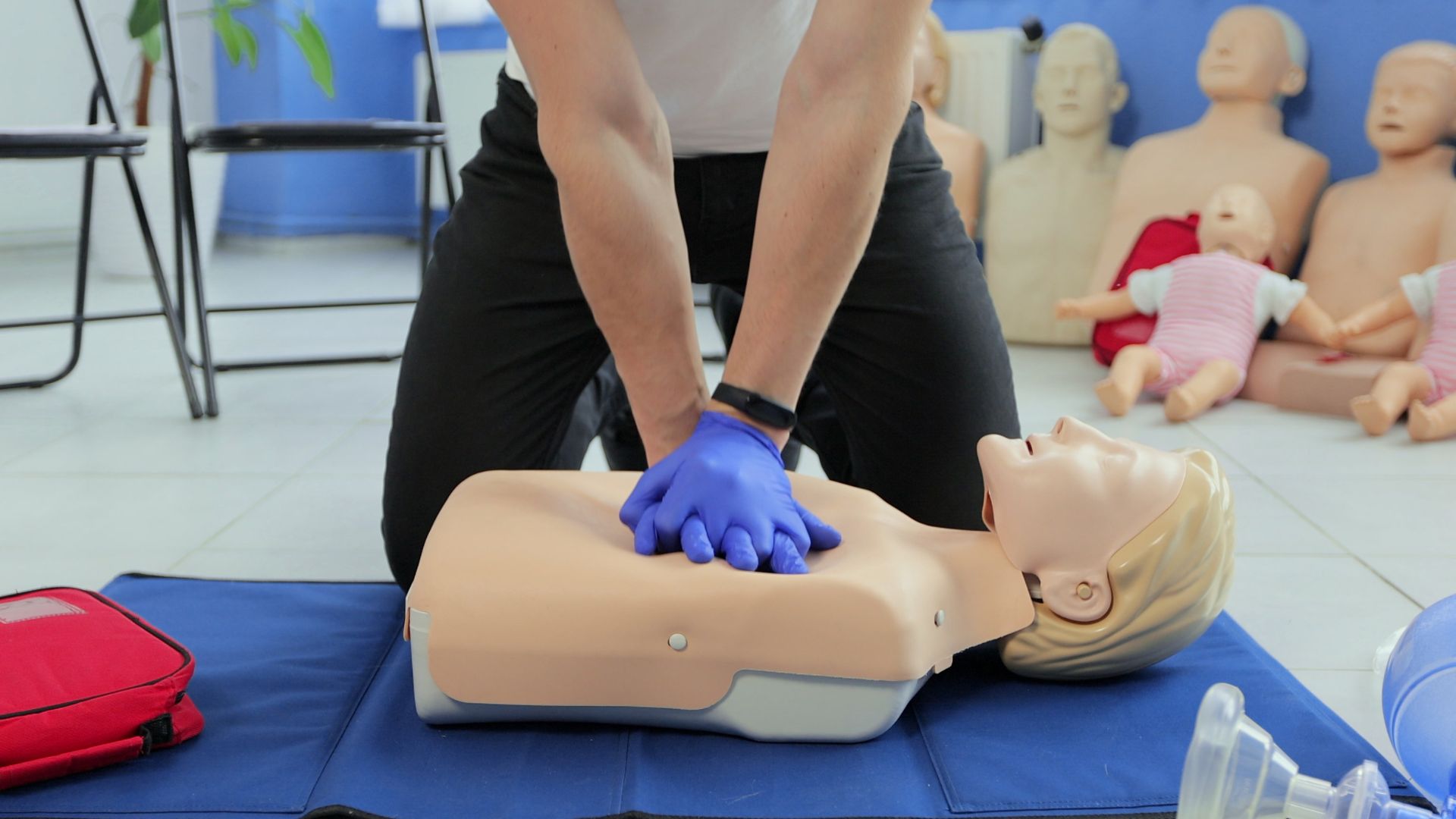
CPR is one of the most valuable life-saving skills a person can learn, but simply reading about it is not enough. Real confidence comes from physically practicing the techniques in a supervised environment. Hands-on CPR training helps participants develop muscle memory, improve decision-making under pressure, and become more comfortable responding to emergencies. Through CPR Certification, Boston residents can gain practical experience that prepares them to take immediate action when every second matters.
As more members of the community become CPR trained, Boston becomes a safer place to live, work, study, and raise a family.
Understanding Sudden Cardiac Arrest
Sudden cardiac arrest occurs when the heart unexpectedly stops pumping blood effectively. Unlike a heart attack, which involves blocked blood flow to the heart muscle, cardiac arrest is an electrical malfunction that causes the heart to stop beating properly.
When cardiac arrest occurs:
- The victim loses consciousness.
- Normal breathing stops.
- Blood flow to the brain and organs ceases.
- Permanent brain damage can begin within minutes.
Without immediate intervention, survival chances decrease rapidly.
The American Heart Association estimates that hundreds of thousands of out-of-hospital cardiac arrests occur in the United States each year, making bystander CPR one of the most important public health interventions available. American Heart Association
Why Immediate CPR Makes Such a Difference
During cardiac arrest, the body is deprived of oxygen-rich blood. CPR manually circulates blood through chest compressions, helping preserve brain function and vital organ activity until emergency medical services arrive.
Immediate CPR can help:
- Maintain circulation.
- Deliver oxygen to the brain.
- Improve the effectiveness of later medical treatment.
- Increase the likelihood of survival.
Every minute without CPR significantly reduces the chance of recovery. Emergency responders work quickly, but they cannot always arrive within those crucial first few minutes.
This is why trained bystanders are so important.
Why Hands-On CPR Training Is Better Than Learning Online Alone
Many people have watched CPR demonstrations online or seen scenes in television shows and movies. While these resources can introduce the concepts, they cannot replace practical experience.
Hands-on training allows participants to physically practice:
- Proper hand placement.
- Compression depth.
- Compression speed.
- Rescue breathing techniques.
- AED operation.
- Emergency scene assessment.
Working with CPR manikins helps students understand how much pressure is actually needed to perform effective compressions. Many people are surprised to learn that quality compressions require more force than they expected.
Programs offered through CPR Certification provide practical instruction that helps participants develop confidence through repetition and instructor feedback.
Confidence Helps People Take Action
One of the biggest reasons bystanders fail to intervene during emergencies is fear.
People often worry that they might:
- Hurt the victim.
- Forget the correct steps.
- Perform CPR incorrectly.
- Make the situation worse.
Hands-on training helps reduce these fears by allowing students to practice realistic scenarios in a controlled environment.
When people have physically performed CPR multiple times during training, they are often much more willing to step forward during a real emergency.
Confidence can make the difference between hesitation and life-saving action.
Boston’s Busy Communities Benefit From CPR-Trained Citizens
Boston’s neighborhoods are filled with places where large groups of people gather every day.
Common locations where cardiac emergencies may occur include:
- Subway stations
- Schools
- Universities
- Sporting events
- Restaurants
- Office buildings
- Shopping centers
- Parks
- Community festivals
Because people are constantly interacting throughout the city, there is a strong chance that a trained bystander could be nearby when an emergency happens.
The more residents who know CPR, the stronger the community’s emergency response network becomes.
High-Quality Chest Compressions Save Lives
Chest compressions are the foundation of CPR.
Proper compressions help keep oxygenated blood moving throughout the body until advanced medical care becomes available.
Hands-on instruction teaches students to focus on:
- Correct hand positioning.
- Appropriate compression depth.
- Consistent compression rate.
- Allowing full chest recoil.
- Minimizing interruptions.
These details may seem small, but they play a significant role in CPR effectiveness.
Without practical experience, many people struggle to understand exactly how CPR should feel during an actual emergency.
AED Training Is a Critical Part of CPR Education
Automated External Defibrillators, commonly called AEDs, have become increasingly common throughout Boston.
Today, AEDs can often be found in:
- Airports
- Schools
- Fitness centers
- Government buildings
- Universities
- Office complexes
- Sports arenas
AEDs are designed to analyze heart rhythms and provide life-saving shocks when appropriate.
Hands-on CPR courses typically include practical AED instruction, teaching students how to:
- Turn the device on.
- Place electrode pads correctly.
- Follow voice prompts.
- Safely clear the victim before shocks.
- Resume CPR after defibrillation.
Using CPR together with an AED provides one of the strongest opportunities for survival during sudden cardiac arrest.
Muscle Memory Improves Emergency Performance
Emergencies are stressful, and stress affects memory.
During a crisis, people often rely more on habits than on conscious thought.
Hands-on CPR training helps develop muscle memory by allowing students to repeatedly practice:
- Chest compressions.
- Rescue breathing.
- AED operation.
- Victim assessment.
- Emergency communication.
This repetition helps people respond more naturally when faced with a real emergency.
Instead of trying to remember instructions they read months ago, trained individuals can rely on practiced skills.
CPR Training Makes Families Safer
Many cardiac arrests occur inside the home.
Parents, spouses, grandparents, and adult children are often the first people present when a loved one experiences a medical emergency.
Learning CPR can help families prepare for situations involving:
- Elderly relatives.
- Parents.
- Children.
- Visitors.
- Neighbors.
Family members who complete training through CPR Certification gain valuable skills that may one day help them protect the people they care about most.
Boston Workplaces Benefit From CPR Education
Many businesses throughout Boston encourage employees to complete CPR training.
Workplace CPR education can:
- Improve emergency preparedness.
- Strengthen workplace safety culture.
- Build employee confidence.
- Protect customers and visitors.
- Reduce response times during medical emergencies.
Employees who know CPR become valuable resources during unexpected situations.
Many organizations also include AED awareness and emergency action planning as part of their overall safety initiatives.
Schools and Universities Play an Important Role
Boston is home to one of the largest concentrations of colleges and universities in the country.
Large educational communities create unique opportunities for CPR education.
Teachers, coaches, administrators, and students may all benefit from learning life-saving skills.
CPR training helps educational institutions prepare for emergencies involving:
- Athletic activities.
- Campus events.
- Student housing.
- Classroom incidents.
- Public gatherings.
Expanding CPR education among younger generations helps create safer communities for years to come.
Sports and Recreation Carry Unexpected Risks
Boston residents enjoy an active lifestyle that includes running events, cycling, fitness classes, youth sports, and recreational leagues.
Although exercise promotes good health, sudden cardiac arrest can occur unexpectedly during physical activity.
CPR-trained coaches, teammates, parents, and spectators may be able to provide immediate assistance while waiting for emergency responders.
Quick intervention can be especially important during athletic events where large crowds gather.
CPR Training Strengthens Entire Communities
Every additional CPR-certified individual adds another layer of protection to the community.
When more residents know CPR:
- More emergencies receive immediate attention.
- Public confidence increases.
- Community resilience grows.
- Survival opportunities improve.
CPR education creates a culture where people are prepared to help one another during difficult moments.
Hands-on instruction ensures those skills are not simply understood but can actually be applied when needed.
Why Practical Experience Matters More Than Theory
Reading about CPR is valuable, but performing CPR is entirely different.
Practical instruction allows students to experience:
- Realistic emergency simulations.
- Instructor guidance.
- Immediate feedback.
- Skill correction.
- Confidence building.
Many participants discover that hands-on practice removes much of the uncertainty they initially felt about responding during emergencies.
This confidence often becomes the deciding factor that motivates someone to step forward and help.
Boston’s Future Depends on Prepared Citizens
As Boston continues to grow, the importance of community emergency preparedness grows as well.
Public spaces become busier, workplaces expand, and community events attract larger crowds. The likelihood that someone nearby may experience sudden cardiac arrest remains a reality.
By investing in hands-on CPR education, Boston residents help create a stronger, safer city where more people are prepared to respond during life-threatening emergencies.
The ability to save a life is one of the most valuable skills anyone can possess.
Final Thoughts About CPR Certification in Boston
Sudden cardiac arrest can happen without warning, and the actions taken during the first few minutes often determine the outcome. Hands-on CPR training equips Boston residents with the practical skills, confidence, and experience needed to respond effectively during these critical moments.
Through CPR Certification, individuals can learn how to perform high-quality CPR, use an AED, and remain calm under pressure when someone needs immediate help. As more people throughout Boston become CPR trained, neighborhoods, workplaces, schools, and public spaces all become safer.
A few hours of hands-on training can prepare someone to make a life-changing difference when every second counts.
Frequently Asked Questions About CPR Training
Why is hands-on CPR training important?
Hands-on training allows participants to practice CPR techniques, receive instructor feedback, and build confidence that helps them respond during real emergencies.
How does CPR increase survival rates?
CPR helps maintain blood flow and oxygen delivery to the brain and vital organs until professional medical care and defibrillation become available.
What is sudden cardiac arrest?
Sudden cardiac arrest is an electrical problem that causes the heart to stop pumping blood effectively, leading to loss of consciousness and cessation of normal breathing.
Can anyone learn CPR?
Yes. CPR classes are designed for people of all backgrounds, including parents, teachers, students, coaches, and workplace employees.
What is an AED?
An Automated External Defibrillator is a portable device that analyzes heart rhythms and can deliver a life-saving shock during certain types of cardiac arrest.
How long is CPR certification valid?
Most CPR certifications remain valid for two years before renewal is recommended.
Why do workplaces encourage CPR training?s
CPR-trained employees help improve workplace safety and can provide immediate assistance during medical emergencies involving coworkers or visitors.
Does practicing CPR really help during emergencies?
Yes. Hands-on practice develops muscle memory and confidence, making it easier for people to act quickly and effectively under pressure.