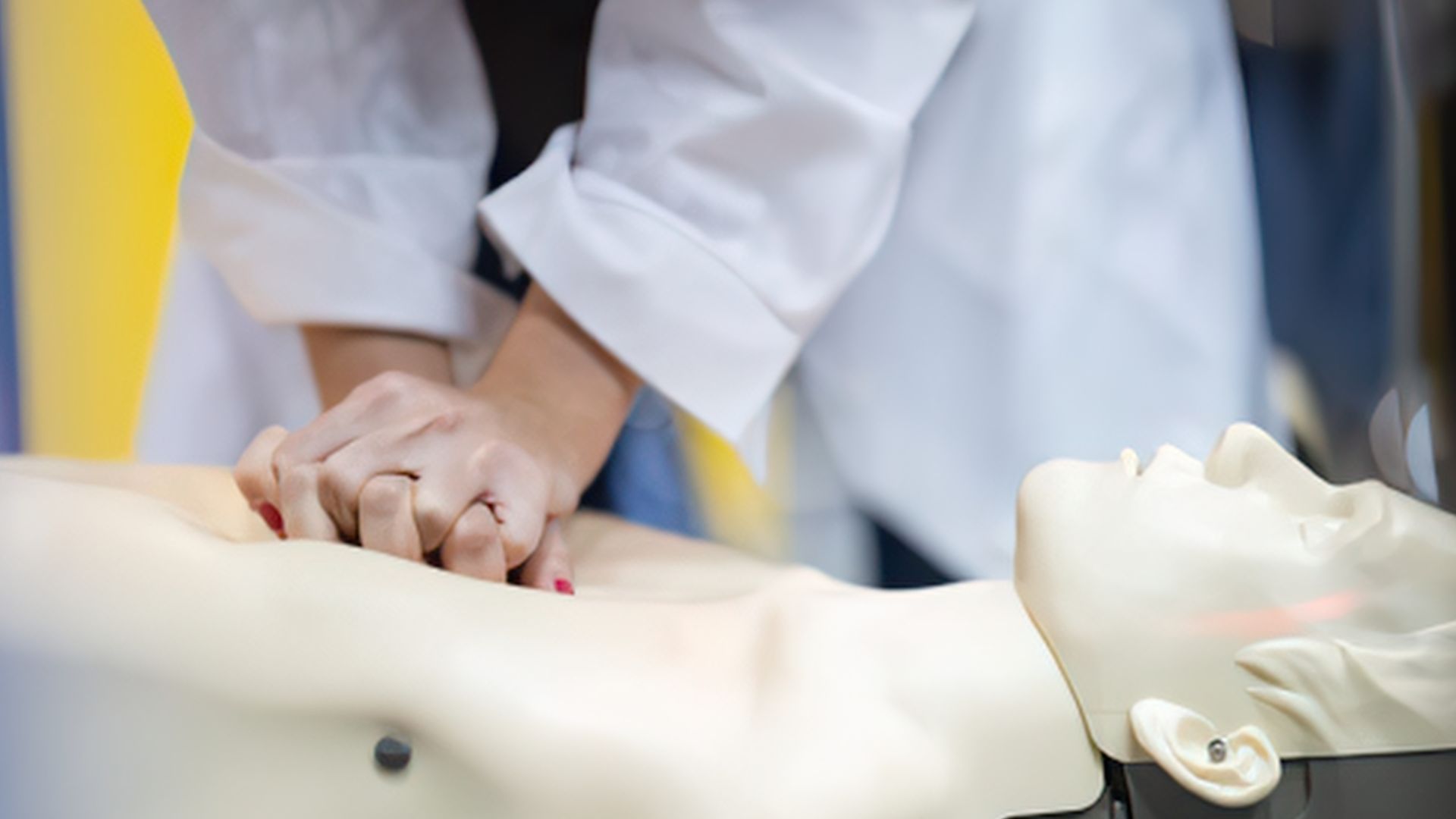
Boston is widely recognized as one of the nation’s leading healthcare and medical education hubs. Home to world-renowned hospitals, nursing schools, healthcare systems, and research institutions, the city attracts thousands of nursing students who are preparing to enter one of the most rewarding professions in healthcare. As students begin their academic and clinical journeys, one of the most important steps they take is obtaining the certifications necessary to participate in patient care environments.
For nursing students, emergency preparedness is more than a requirement. It is a fundamental part of developing the skills needed to provide safe and effective patient care. Throughout nursing school, students learn how to assess patients, monitor vital signs, communicate with healthcare teams, and respond during medical emergencies. CPR and Basic Life Support (BLS) training serve as a foundation for many of these responsibilities. BLS training is designed specifically for healthcare professionals and covers high-quality CPR, AED use, team-based resuscitation, airway management, and emergency response techniques used in both hospital and out-of-hospital settings.
For aspiring nurses in Boston, enrolling in a CPR Certification course is often one of the earliest steps toward developing the practical emergency response skills needed in healthcare environments. Whether preparing for nursing school admissions, clinical rotations, or future employment, CPR and BLS training help students build confidence and gain experience with lifesaving procedures that may be encountered throughout their careers.
Why CPR and BLS Matter in Nursing Education
Nursing students are preparing to enter a profession where patient safety remains a top priority. Medical emergencies can occur in hospitals, clinics, long-term care facilities, outpatient centers, rehabilitation programs, and countless other healthcare settings.
Because nurses frequently serve on the front lines of patient care, they must be prepared to recognize emergencies and respond appropriately. CPR and BLS training provide an introduction to many of the emergency response principles that nursing students will encounter throughout their education.
BLS programs designed for healthcare providers typically include training in adult, child, and infant CPR, AED use, team-based response techniques, ventilation skills, and choking emergencies.
These skills help establish a foundation that supports future nursing education and clinical experience.
Understanding the Difference Between CPR and BLS
Many students hear the terms CPR and BLS used together and assume they are identical. While the two are closely related, they serve slightly different purposes.
CPR generally refers to the lifesaving techniques used during cardiac and breathing emergencies. These skills are valuable for both healthcare professionals and members of the general public.
BLS, or Basic Life Support, is specifically designed for healthcare providers and includes a broader range of emergency response concepts. BLS training often addresses:
- High-quality CPR techniques
- AED use
- Airway management principles
- Team-based emergency response
- Adult, child, and infant emergencies
- Choking response procedures
Because nursing students are entering healthcare environments, BLS certification is commonly the preferred credential for clinical and professional settings. BLS courses are specifically intended for healthcare professionals and personnel who may need these skills in patient-care environments.
Why Boston Nursing Students Often Need BLS Certification
Many nursing programs require students to obtain BLS certification before participating in clinical experiences. Clinical rotations place students in healthcare environments where they observe, assist, and learn under the supervision of licensed professionals.
Healthcare facilities frequently maintain certification requirements because students may be present during emergency situations involving patients.
BLS certification helps ensure students understand:
- Emergency response priorities
- CPR procedures
- Team communication during emergencies
- Patient safety principles
- Healthcare emergency protocols
Several healthcare training programs and clinical environments specifically require current BLS credentials before students begin clinical rotations.
Preparing for Clinical Rotations
Clinical rotations represent a major milestone in every nursing student’s education. These experiences allow students to apply classroom knowledge in real healthcare settings while learning directly from nurses and other healthcare professionals.
Before entering clinical environments, students are often expected to complete various requirements that may include health screenings, immunizations, documentation, and emergency preparedness certifications.
BLS certification supports this preparation by helping students become familiar with emergency procedures they may witness during patient care experiences.
Clinical rotations may take place in:
- Hospitals
- Outpatient clinics
- Long-term care facilities
- Rehabilitation centers
- Community health organizations
- Specialty care settings
Each environment presents unique learning opportunities and reinforces the importance of emergency preparedness.
Boston’s Healthcare Environment Creates High Expectations
Boston’s healthcare community is known for excellence in patient care, medical research, and healthcare education. Nursing students often train in environments that maintain rigorous professional standards.
Working alongside experienced healthcare professionals exposes students to a wide range of clinical situations. Emergency preparedness remains an important component of these experiences because healthcare providers must always be ready to respond when patient conditions change unexpectedly.
Students who arrive prepared often feel more confident participating in clinical activities and interacting with healthcare teams.
CPR and BLS training help create a foundation that supports these experiences.
Building Confidence Before Entering Patient Care Settings
Many nursing students experience some degree of nervousness before beginning clinical rotations. Working with real patients can feel very different from practicing skills in a classroom laboratory.
One of the benefits of CPR and BLS training is the confidence it helps build through repetition and hands-on practice.
Students learn how to:
- Assess emergency situations
- Recognize warning signs
- Participate in emergency response efforts
- Follow established protocols
- Communicate effectively during emergencies
These experiences help reduce uncertainty and allow students to feel more comfortable in healthcare environments.
Confidence plays an important role in professional development and often improves with experience and training.
Skills Nursing Students Learn Through BLS Training
BLS programs cover a variety of emergency response concepts that are relevant to healthcare professionals.
Training commonly includes:
- Adult CPR
- Child CPR
- Infant CPR
- AED awareness and use
- Rescue breathing concepts
- Team response techniques
- Choking emergencies
- Emergency assessment principles
Healthcare-focused BLS courses also emphasize teamwork and coordinated response during emergencies, which are important skills in clinical settings.
These concepts align closely with many of the responsibilities students will encounter throughout nursing school and future employment.
Why Hands-On Training Matters
Emergency response skills are most effective when they are practiced.
Hands-on learning provides nursing students with opportunities to apply concepts in a structured environment. Rather than simply reading about emergency procedures, students can participate in practical exercises that reinforce important skills.
Benefits of hands-on training often include:
- Improved confidence
- Better skill retention
- Increased familiarity with equipment
- More realistic learning experiences
- Greater preparedness
Many BLS programs include instructor-led practice sessions that allow participants to receive feedback and refine their techniques.
These experiences help bridge the gap between classroom instruction and real-world application.
CPR and BLS Support Future Career Opportunities
Obtaining CPR and BLS certification is not only important for nursing school. These credentials often remain relevant throughout a nurse’s professional career.
Employers frequently seek candidates who possess current certifications and demonstrate a commitment to ongoing professional development.
Healthcare environments commonly value individuals who are prepared to participate in emergency response efforts and understand patient safety protocols.
For nursing students, earning certification early provides an opportunity to begin developing these competencies before entering the workforce.
The Importance of Maintaining Certification
Certification is not a one-time achievement. Healthcare professionals are typically expected to maintain current credentials throughout their careers.
BLS certifications are commonly issued with expiration periods and require periodic renewal to help ensure skills remain current. Many healthcare provider BLS completion cards are valid for two years before renewal is needed.
Renewal courses provide opportunities to:
- Refresh emergency response skills
- Practice CPR techniques
- Review current procedures
- Reinforce confidence
- Maintain professional requirements
Developing a habit of maintaining certifications early can help nursing students prepare for long-term professional responsibilities.
Creating a Strong Foundation for Nursing Success
Nursing education involves far more than memorizing information. Students must develop practical skills, critical thinking abilities, communication techniques, and professional judgment.
CPR and BLS training support these goals by introducing students to emergency preparedness and patient care principles early in their education.
The ability to remain calm, follow procedures, and participate effectively during emergencies becomes increasingly important as students progress through nursing school.
Many nursing students view CPR and BLS certification as one of the first major steps toward becoming healthcare professionals.
Why CPR and BLS Training Are Essential for Boston Nursing Students
Boston’s nursing students are preparing to enter one of the most respected and demanding healthcare environments in the country. Clinical rotations, patient care experiences, and future nursing careers all require a strong foundation in emergency preparedness and lifesaving skills. Whether preparing for nursing school requirements, clinical placements, or future employment opportunities, enrolling in a CPR Certification class can help students build confidence, strengthen their emergency response knowledge, and develop practical skills that support success throughout their nursing careers.
Frequently Asked Questions About CPR and BLS Certifications for Boston Nursing Students
Do nursing students typically need BLS certification?
Many nursing programs and clinical environments require students to obtain BLS certification before participating in patient care experiences or clinical rotations.
What is the difference between CPR and BLS?
CPR focuses on lifesaving techniques used during emergencies, while BLS includes CPR along with additional healthcare-focused skills such as team response, airway management, AED use, and emergency assessment.
Why is BLS important for nursing students?
BLS training helps nursing students develop emergency response skills that are commonly used in healthcare settings and supports preparation for clinical experiences.
How long does BLS certification typically remain valid?
Many healthcare provider BLS certifications remain valid for two years before renewal is required.
What skills are taught during BLS training?
Training commonly covers adult, child, and infant CPR, AED use, choking emergencies, team response techniques, and emergency assessment principles.
Can CPR and BLS certifications help with future nursing careers?
Yes. CPR and BLS credentials are commonly valued by healthcare employers and help demonstrate emergency preparedness and professional readiness.