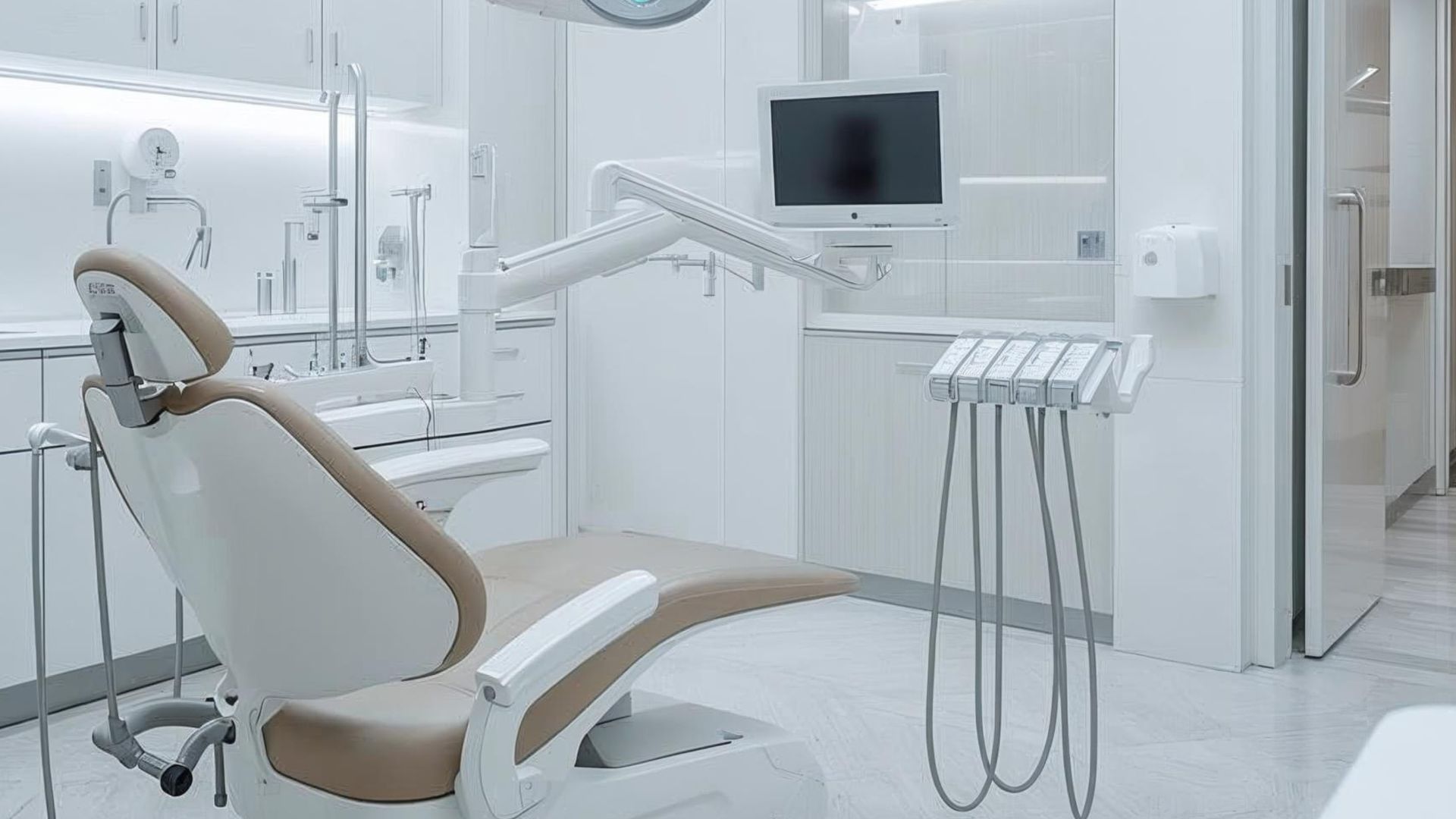
Dental professionals are responsible for more than maintaining oral health. They also oversee patient safety during procedures that may involve anesthesia, sedation, or extended time in a dental chair. Because medical emergencies can occasionally occur during dental treatments, having proper emergency response training is essential. One of the most important safety credentials for dental professionals is CPR Certification. This training ensures dentists are prepared to respond quickly if a patient experiences a cardiac or breathing emergency during treatment.
In busy healthcare environments such as dental offices in Boston, emergencies can arise unexpectedly. Patients of all ages visit dental clinics every day, and some may have underlying medical conditions that increase their risk of complications. When dental teams maintain CPR training, they are able to act immediately and provide lifesaving care while emergency medical services are on the way.
CPR certification not only strengthens patient safety but also reflects a commitment to professional standards and responsible medical practice.
Why CPR Training Is Important in Dental Offices
Dental procedures often require patients to remain reclined for extended periods while instruments and equipment are used in the mouth. Although dental treatments are generally safe, certain factors can increase the risk of medical emergencies.
Patients may experience allergic reactions to medications, complications from sedation, breathing difficulties, or cardiac events. When these situations occur, the dental team must act quickly to stabilize the patient.
CPR training equips dentists with the skills needed to recognize cardiac arrest, assess breathing, and begin chest compressions if necessary. Early intervention can maintain blood flow to the brain and vital organs until paramedics arrive.
Because dental professionals work closely with patients throughout procedures, they are usually the first to notice changes in breathing or consciousness. Having CPR Certification allows dentists and their staff to respond immediately and confidently.
Medical Emergencies That Can Occur in Dental Settings
While serious emergencies in dental offices are relatively rare, dental professionals must still be prepared for a variety of situations. Patients may arrive with underlying health conditions that increase the risk of complications.
Some emergencies that may occur in dental environments include:
- Sudden cardiac arrest
- Allergic reactions to medications or anesthesia
- Breathing difficulties or airway obstruction
- Fainting or loss of consciousness
- Seizures
- Severe anxiety or panic reactions
During these situations, time is critical. CPR and other emergency response procedures can help stabilize patients until emergency medical services arrive.
Because dentists regularly treat individuals with different medical histories, maintaining emergency response training helps ensure that the entire dental team is prepared for unexpected situations.
CPR Certification Requirements for Dental Professionals
Many state licensing boards and professional organizations require dental professionals to maintain current CPR certification as part of their continuing education and safety requirements.
Dentists, dental hygienists, and dental assistants are often required to complete courses that include both CPR and automated external defibrillator training. These courses teach healthcare providers how to respond to cardiac and breathing emergencies in clinical settings.
Certification must usually be renewed every two years. Recertification courses help dental professionals stay updated on current guidelines and refresh their practical skills.
In Boston and throughout Massachusetts, dental professionals who maintain current CPR certification demonstrate compliance with professional safety standards and commitment to patient wellbeing.
The Role of AED Devices in Dental Offices
Automated external defibrillators are important tools for responding to cardiac emergencies. These devices analyze heart rhythms and deliver electrical shocks when necessary to restore normal heart activity.
Many healthcare facilities, including dental offices, keep AED devices available for emergencies. CPR training often includes instruction on how to operate these devices safely.
During cardiac arrest, using an AED in combination with CPR significantly increases survival chances. The device provides voice prompts that guide rescuers through each step, making it possible for trained individuals to deliver lifesaving treatment quickly.
Dental teams that are familiar with AED equipment are better prepared to respond during cardiac emergencies and provide effective care while waiting for paramedics.
Building Patient Confidence Through Safety Preparedness
Patients want to feel safe when visiting healthcare providers. Knowing that a dental office maintains strong safety protocols can help reduce anxiety and build trust.
Dentists who maintain CPR Certification demonstrate that they prioritize patient safety and emergency preparedness. This reassurance can be especially important for patients who feel nervous about dental procedures.
Safety training also reflects professionalism and responsibility. When patients know their dental team is trained to respond to emergencies, they can feel more confident during treatments.
Dental practices that invest in safety training often strengthen their reputation within the community and build long term patient relationships.
What Dentists Learn During CPR Training
CPR training for healthcare professionals includes both theoretical instruction and hands on practice. Dental professionals learn how to recognize the signs of cardiac arrest and respond quickly to stabilize the patient.
Training typically covers:
- Recognizing cardiac arrest and breathing emergencies
- Performing chest compressions at the correct depth and rate
- Delivering rescue breaths when appropriate
- Using automated external defibrillators
- Managing airway emergencies
- Coordinating with emergency medical responders
Hands on practice with training mannequins allows dental professionals to refine their technique and ensure they are performing compressions effectively.
Simulation scenarios also help dental teams practice responding to emergencies in a clinical environment, improving coordination and teamwork during real situations.
Creating Emergency Response Plans in Dental Practices
Many dental offices develop formal emergency action plans to ensure staff members know how to respond during medical incidents. These plans outline specific responsibilities for each team member.
For example, one staff member may call emergency services while another retrieves emergency equipment. Meanwhile, the dentist or trained staff member begins CPR or other lifesaving procedures.
Having a structured emergency plan helps reduce confusion and ensures that each team member knows their role. Regular training and drills can help reinforce these procedures.
Dental practices that combine emergency planning with CPR training create safer environments for both patients and staff.
Continuing Education and Professional Responsibility
Dentistry is a field that requires ongoing education and professional development. Dentists must stay updated on evolving medical practices, safety protocols, and treatment techniques.
Maintaining CPR certification is part of this commitment to continuing education. Recertification courses allow dental professionals to review updated guidelines and practice essential lifesaving skills.
Professional responsibility extends beyond dental procedures. Being prepared for medical emergencies is an important aspect of patient care.
Dental professionals who maintain their certification show dedication to both clinical excellence and patient safety.
Final Thoughts on CPR Certification for Dentists in Boston
Dentists and dental teams are trusted with the health and wellbeing of their patients every day. While most dental visits are routine and safe, medical emergencies can still occur without warning. Completing CPR Certification ensures that dental professionals are prepared to respond quickly and provide lifesaving care when needed.
In Boston’s busy healthcare environment, maintaining CPR training strengthens patient safety and demonstrates a commitment to professional standards. Dentists who invest in emergency preparedness help create safer dental practices and reassure patients that their care is in capable hands.
By keeping CPR certification current and practicing emergency response procedures regularly, dental professionals can confidently protect their patients and provide the highest level of care.
Frequently Asked Questions
Do dentists need CPR certification?
Yes. Many dental licensing boards and professional organizations require dentists and dental staff to maintain current CPR certification.
How often do dentists need to renew CPR certification?
Most CPR certifications remain valid for two years. Dental professionals must complete a renewal course to maintain active certification.
What type of CPR training do dentists take?
Dentists usually complete healthcare provider level CPR training that includes adult CPR, AED use, and airway management techniques.
Why is CPR training important in dental offices?
CPR training prepares dental teams to respond quickly during medical emergencies such as cardiac arrest, allergic reactions, or breathing problems during dental procedures.