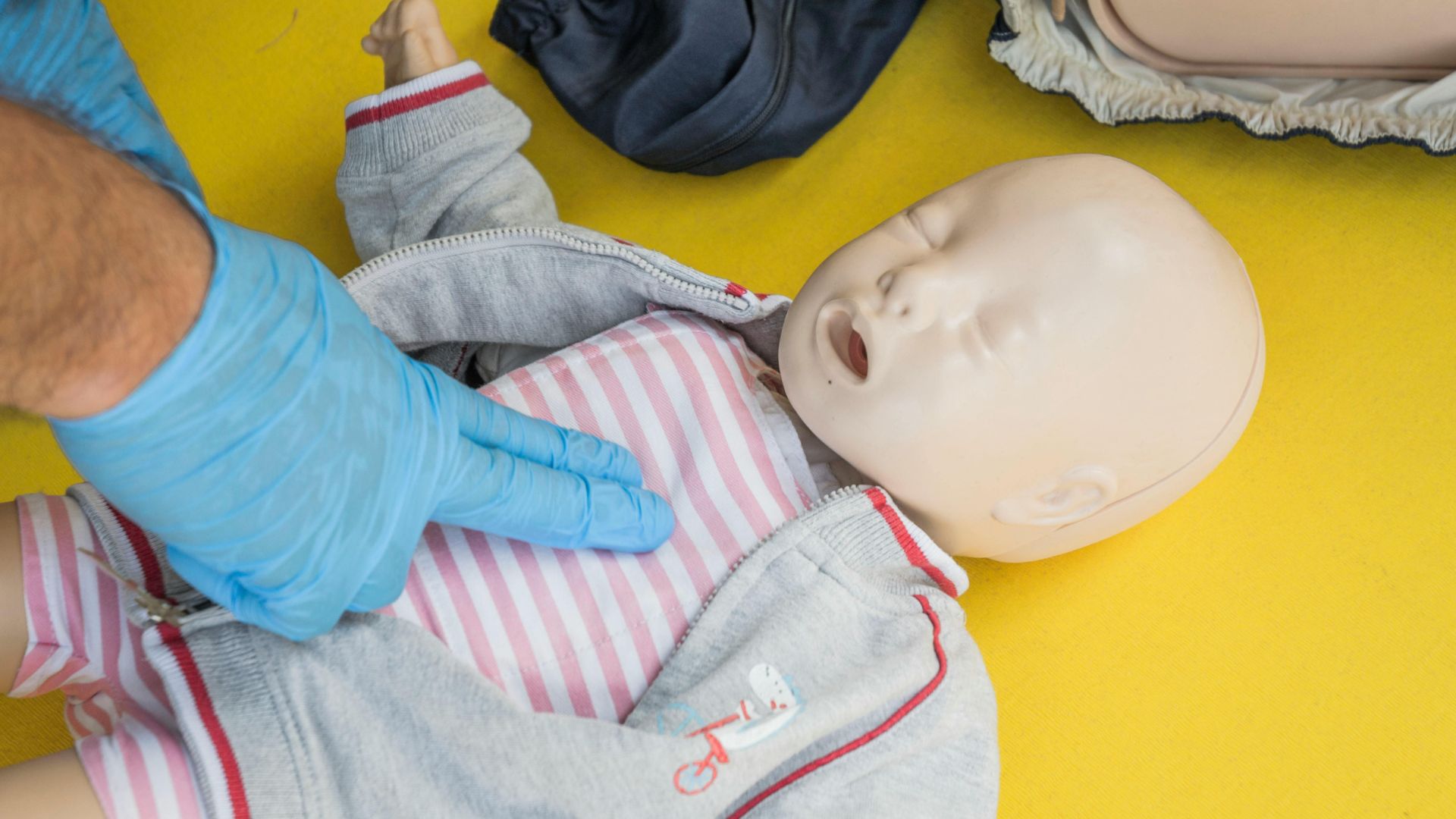
For many parents in Boston, infant CPR is something they associate with daycare requirements or childcare certifications. But the reality is far more important. Infant CPR is not just for caregivers or professionals, it is a critical life-saving skill every parent should have.
Emergencies involving infants can happen suddenly and often at home, not in a daycare setting. In those first few moments, you are the one your child depends on. That is why enrolling in an in-person CPR Certification course is one of the most valuable decisions a parent can make.
Why Infant Emergencies Often Happen at Home
Many parents assume that serious emergencies are rare or more likely to happen in public settings. However, research shows that a large percentage of pediatric cardiac arrests occur in the home.
This means that when an emergency happens, the person most likely to respond is not a doctor or paramedic. It is a parent, guardian, or family member.
Common infant emergencies at home include:
- Choking on food or small objects
- Breathing difficulties
- Sudden illness or allergic reactions
- Accidental suffocation or airway blockage
In these situations, immediate action is critical.
The Unique Risks Infants Face
Infants are not just small children. Their bodies are more fragile, and emergencies can escalate much faster.
Studies show that infants have the highest incidence of pediatric cardiac arrest compared to older children.
This is due to factors such as:
- Underdeveloped airways
- Higher risk of choking
- Rapid changes in breathing and heart rate
- Greater vulnerability to respiratory issues
Because of this, knowing how to respond specifically for infants is essential.
Why Infant CPR Is Different from Adult CPR
One of the biggest reasons parents need proper training is that infant CPR is very different from adult CPR.
Key differences include:
- Using two fingers instead of full hands for compressions
- Different compression depth and technique
- More focus on airway and breathing support
- Adjusted rescue breathing methods
Attempting adult CPR techniques on an infant can be ineffective or even harmful. Proper training ensures you know exactly what to do.
The Critical First Few Minutes
During any emergency involving breathing or cardiac arrest, time is the most important factor.
Without oxygen:
- Brain damage can begin within minutes
- Survival chances decrease rapidly
- Outcomes worsen with every delay
CPR helps maintain oxygen flow to the brain and vital organs until emergency responders arrive.
In a city like Boston, emergency services are highly responsive, but even a few minutes can make a life-changing difference.
Why Parents Hesitate During Emergencies
Many parents believe they would act immediately in an emergency, but hesitation is extremely common.
Common reasons include:
- Fear of doing something wrong
- Uncertainty about proper technique
- Panic under pressure
- Lack of hands-on experience
This hesitation can delay life-saving care.
The solution is not just awareness, it is practice.
How In-Person Training Builds Real Confidence
In-person CPR training is the most effective way to prepare for infant emergencies because it focuses on hands-on experience.
During training, parents will:
- Practice infant CPR techniques on mannequins
- Learn proper hand placement and pressure
- Receive real-time feedback from instructors
- Build muscle memory through repetition
This type of training transforms fear into confidence.
Choosing an in-person CPR Certification course ensures you are ready to act, not just think about what to do.
Why Online Training Alone Is Not Enough
While online courses can provide helpful information, they cannot replace hands-on practice.
Limitations of online-only training include:
- No physical skill development
- Limited feedback on technique
- Lower confidence in real emergencies
- Difficulty applying knowledge under stress
Infant CPR is a physical skill that must be practiced to be performed correctly.
Infant Choking: One of the Most Common Emergencies
Choking is one of the most common emergencies parents face with infants.
It can happen quickly and without warning, often during feeding or play.
Signs of choking include:
- Inability to cry or make noise
- Difficulty breathing
- Blue or pale skin
- Weak or ineffective coughing
Knowing how to respond immediately can prevent a life-threatening situation.
In-person training teaches you how to safely and effectively clear an infant’s airway.
The Emotional Reality of Parenting and Emergencies
No parent wants to imagine their child in danger, but preparation is part of responsible parenting.
Learning infant CPR:
- Reduces fear of the unknown
- Provides a sense of control in emergencies
- Helps you stay calm under pressure
Confidence comes from knowing you are prepared, not hoping nothing will happen.
Why Boston Parents Should Take This Seriously
Boston is a busy, family-focused city with countless households caring for infants and young children. From apartments to suburban homes, emergencies can happen anywhere.
Parents in Boston should consider:
- Busy lifestyles that can lead to distractions
- Multi-generational households where others may need training
- The importance of being prepared in any environment
Having CPR training is not just about your child. It is about being ready to help any child in need.
The Role of CPR in Infant Survival
Infant CPR plays a crucial role in survival during emergencies involving breathing or cardiac arrest.
It helps:
- Maintain oxygen flow to the brain
- Prevent long-term damage
- Increase chances of survival
Studies show that improving response and training can significantly impact outcomes in pediatric emergencies.
Every second matters, and every action counts.
Why Hands-On Practice Matters Most
Infant CPR requires precision, and that precision comes from practice.
In-person training allows you to:
- Practice techniques repeatedly
- Build muscle memory
- Gain confidence through repetition
- Learn in a supportive environment
This is what prepares you to act quickly and correctly in real situations.
Who Else Should Learn Infant CPR
While parents are the primary focus, many others can benefit from infant CPR training.
This includes:
- Grandparents
- Babysitters
- Older siblings
- Family members
- Nannies
Anyone who spends time with your child should know how to respond in an emergency.
Building a Safer Home Environment
Learning CPR is just one part of creating a safe environment for your child.
Parents can also:
- Childproof their home
- Monitor feeding and playtime
- Keep emergency numbers accessible
- Stay aware of potential hazards
Preparation and awareness work together to reduce risk.
Choosing the Right CPR Training in Boston
Not all CPR courses provide the same level of preparation. It is important to choose a program that emphasizes hands-on learning.
Look for:
- Fully in-person instruction
- Certified instructors
- Infant-specific training modules
- Real-life scenario practice
- Same-day certification options
Enrolling in a trusted CPR Certification course ensures you receive the training needed to respond confidently.
Why Infant CPR Is a Life Skill, Not Just a Requirement
Infant CPR is not something you learn once and forget. It is a life skill that can protect your child and others around you.
It goes beyond daycare requirements and becomes part of responsible parenting.
The ability to act in an emergency is one of the most valuable skills you can have.
Final Thoughts on Infant CPR for Boston Parents
Every parent hopes they will never need to use CPR, but hope is not a plan. Emergencies can happen without warning, and when they do, you are your child’s first line of defense.
Learning infant CPR gives you the knowledge, confidence, and ability to act in those critical moments. It turns fear into preparedness and hesitation into action.
By enrolling in an in-person CPR Certification course, you gain hands-on experience that prepares you for real-life situations. In Boston and beyond, that training could make the difference between panic and saving a life.
Frequently Asked Questions About Infant CPR
Do all parents need to learn infant CPR?
Yes, any parent or caregiver should know infant CPR because emergencies often happen at home.
Is infant CPR different from adult CPR?
Yes, it uses different techniques, including two-finger compressions and adjusted breathing methods.
Can I learn infant CPR online?
Online courses provide information, but in-person training is needed for hands-on practice and confidence.
How long does CPR certification last?
CPR certification typically lasts two years before renewal is required.
What is the most common infant emergency?
Choking is one of the most common emergencies, especially during feeding.
Who else should learn infant CPR?
Anyone who cares for your child, including family members and babysitters, should be trained.